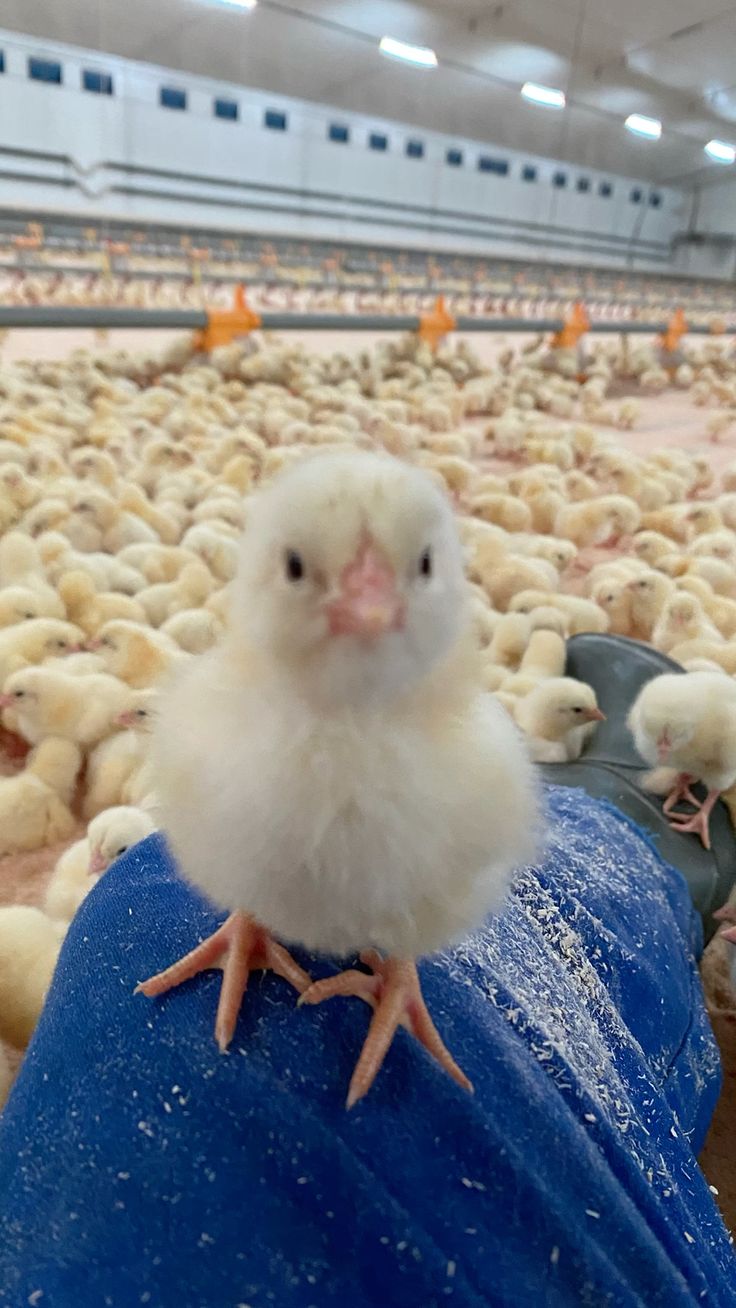
Quality
Healthy, high-quality poultry every cycle. A bird that is not right does not leave the farm, even when the batch is short and the buyer is waiting.
Sompisi Poultry Farm exists to put healthy chicken within reach of the district that raises it, and to build a business that can still be here in twenty years. This page sets out what we are aiming at, how we run the houses, and what we will not compromise on.
Our story
The farm was established in 2024 on family land at House No. 513, Sisulu Location, just outside Umzimkhulu. It began with a single house, one batch of broilers, and a straightforward observation: this district eats a great deal of chicken and produces very little of it.
Chicken sold here has usually travelled hundreds of kilometres from a commercial abattoir, and the price carries every one of those kilometres. Meanwhile local buyers, shops and caterers among them, were driving to Kokstad and Pietermaritzburg for stock they could have bought down the road.
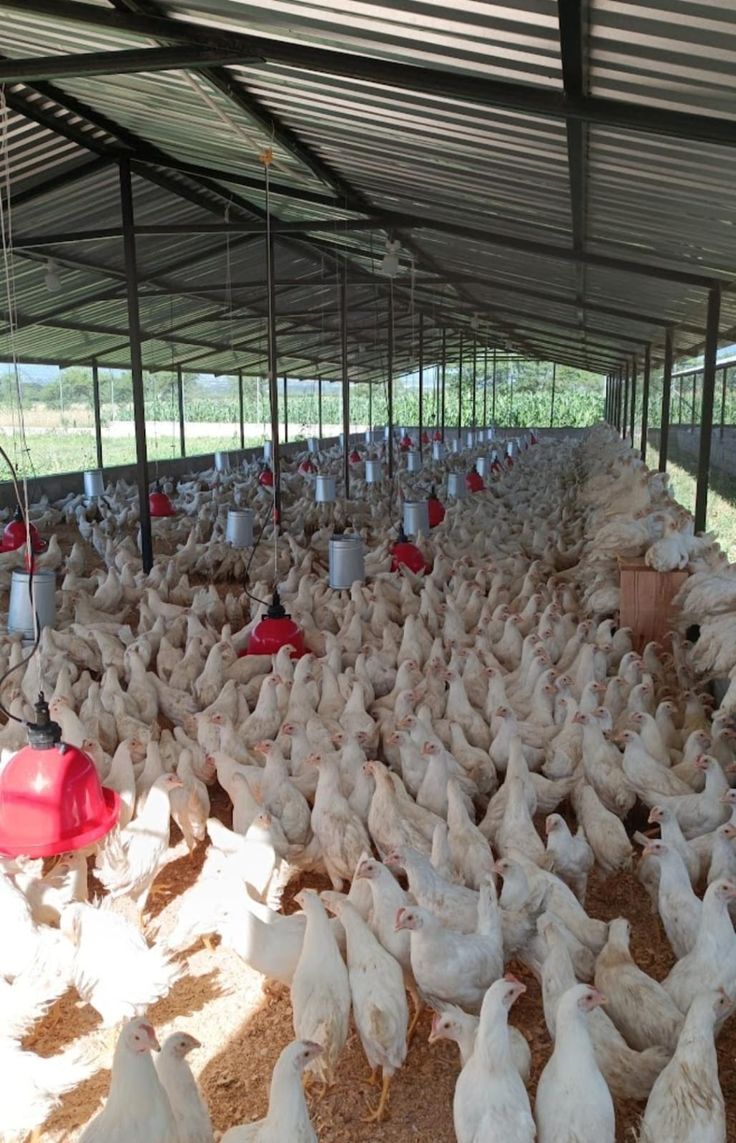
So we built for that gap. Two houses now run on an alternating cycle so there is almost always a batch coming off, and the price list is public so nobody has to negotiate for a fair rate. Growth from here is deliberate: another house only once the current ones run clean, on time and full.
Vision & mission
To become a trusted and leading poultry farm in South Africa, supplying healthy, high-quality chickens while promoting sustainable farming and contributing to food security.
Sompisi Poultry Farm is committed to producing and supplying fresh, healthy and affordable chickens to suppliers, retailers and local customers. We maintain high standards of animal welfare, hygiene and customer service while creating employment and supporting the growth of our community.
Core values
Healthy, high-quality poultry every cycle. A bird that is not right does not leave the farm, even when the batch is short and the buyer is waiting.
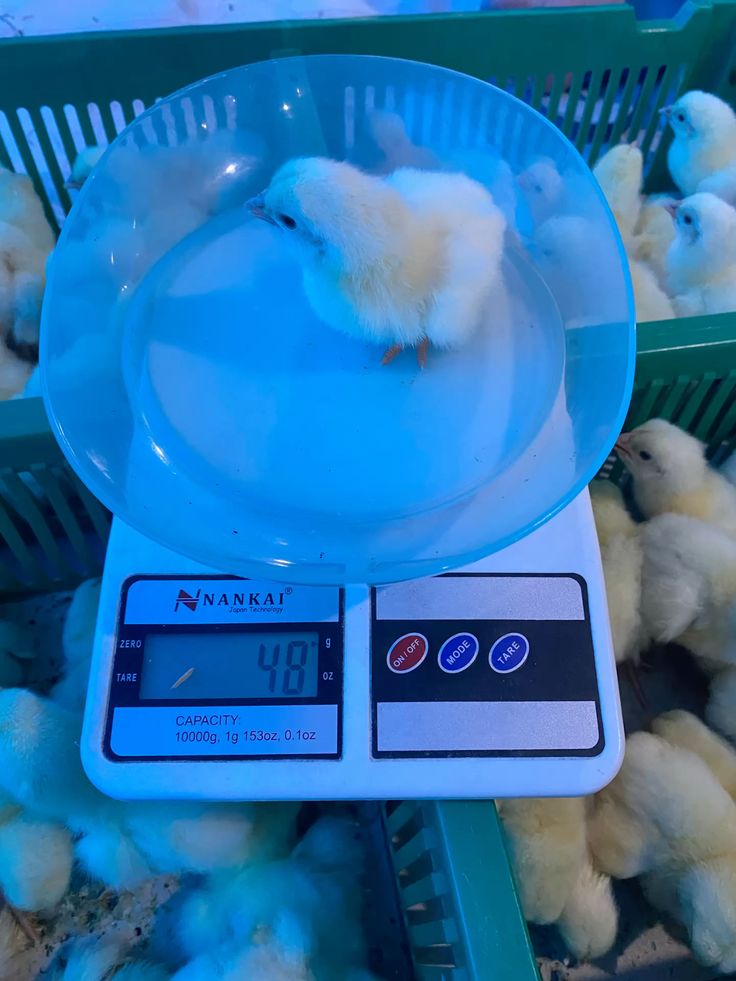
Honest, ethical and transparent business. One published price list for everybody, a scale you can read from where you stand, and terms written down before money moves.
Your needs first. That means answering messages within a working day, saying no when we cannot meet a date, and replacing anything that reaches you in poor condition.
Responsible farming that protects the environment. Litter is composted and sold back into local gardens instead of dumped, and water and feed are managed against waste.
Jobs and local economic growth. Casual work at catching and dressing time goes to people from Sisulu Location first, and we buy our inputs locally wherever the price is fair.
Better methods every cycle. We record feed, weight and mortality per house, then change the routine based on what the record says rather than on habit.
Health, hygiene & welfare
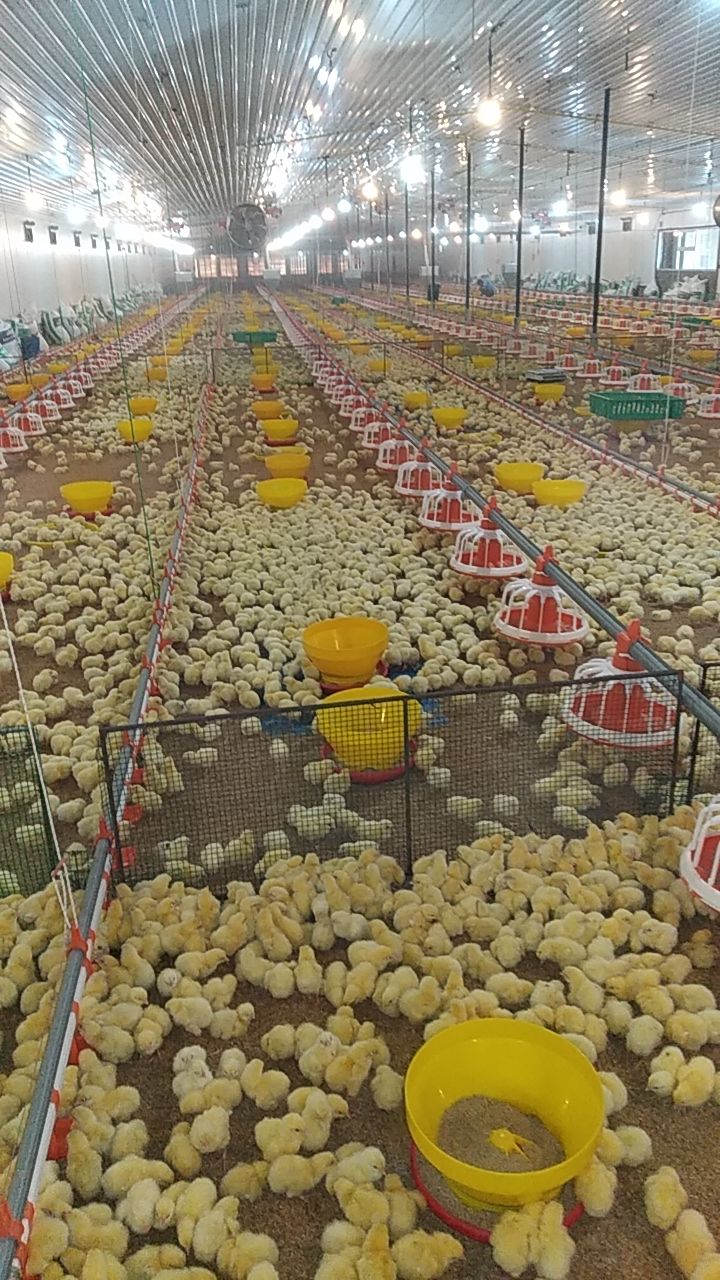
Biosecurity is the whole business. One careless visit can cost an entire batch, so the routine below is not negotiable, for us or for anybody who comes onto the property.
Where we are going
These are not slogans. They are the targets the farm is managed against, and they decide what we spend on next.
Keep wholesalers, retailers and local customers stocked with healthy birds, without dropping standards to hit a number.
Turn once-off buyers into standing weekly orders by being predictable on date, price and quality.
Add housing and staggered placements so a batch is always coming off, and demand never has to wait a full cycle.
Maintain strict biosecurity and welfare standards as we grow, because scale is where most small farms lose control of disease.
Expand into neighbouring towns and formal retail while keeping the local price affordable for the community around us.
Grow the permanent team from the surrounding area and train casual workers into skilled poultry roles.
On the farm